Navigating Cancer: Empowering Patients Through Awareness and Support
Cancer is a journey filled with uncertainty and fear, but it’s also a path toward knowledge and empowerment. For many, the word 'cancer' immediately conjures fear and anxiety, while pushing thoughts of malady, malignancy, and surgery to the forefront of one’s mind. However, amid these challenges, a beacon of hope shines through in the form of cancer awareness and education. Understanding what lies ahead not only prepares patients for their journey but also embraces them with a supportive network of resources and a health community that truly cares. Have you ever considered how knowledge might change your experience throughout this journey?
The importance of cancer awareness cannot be overstated. It transforms patients from passive recipients of medical advice into empowered advocates for their health. With a solid grasp of their condition—whether it’s carcinoma, tumor, or any other form of malignancy—patients are better equipped to engage in meaningful discussions with healthcare professionals. Imagine walking into an oncology appointment with questions that reflect not only your concerns but also a well-researched understanding of treatment options such as chemotherapy, radiation therapy, and the promising advances in immunotherapy. Knowledge is not just power; it’s liberating!
As you embark on this journey, education about cancer prevention strategies and symptom management will serve you well. Holistic health practices can complement traditional medical treatments, providing an avenue for adopting wellness tips that improve your quality of life. Have you ever tried alternative medicine therapies like acupuncture or herbal supplements? These practices may alleviate some treatment side effects and lead to a better overall experience. Embracing lifestyle changes—like nutrition and exercise—also plays a crucial role in your survivorship and can significantly affect recovery and mental health.
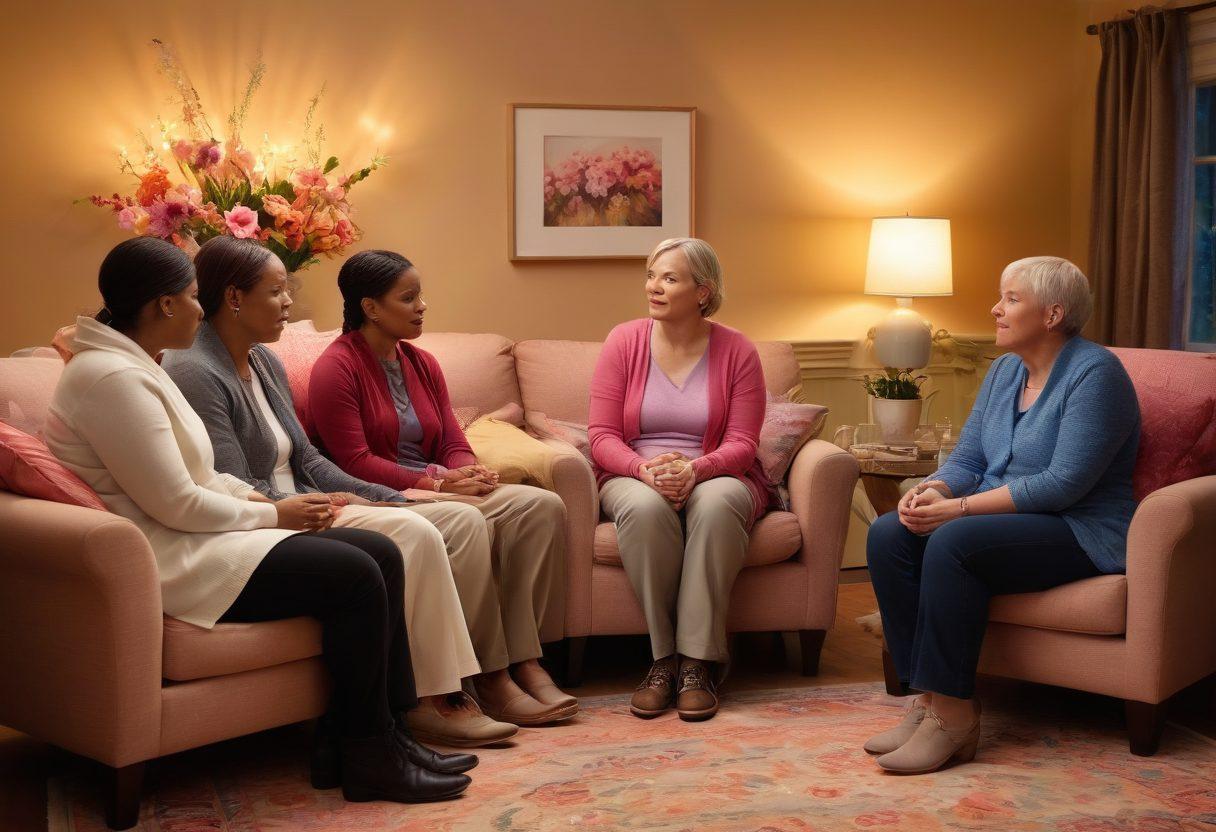
Additionally, connecting with others who are on or have been on a similar journey can be invaluable. Support groups serve as safe havens where individuals tackle their fears, share their stories, and lend support to one another. Imagine the comfort of being in a room filled with people who truly understand what you’re going through. The shared knowledge ranges from coping mechanisms to effective palliative care, and even local cancer resources you might not have known existed. How might it feel to know you're not alone?
Remember, navigating cancer doesn’t mean you must go through it unprepared or isolated. Leveraging the power of patient advocacy ensures your voice is heard and your needs are met. Whether you’re exploring clinical trials or seeking information on the latest in medical research, your journey can be guided by strong cancer education and support at every step. Will you take the reins of your journey, empowered by awareness and community? There’s strength in knowing, asking, and advocating—your health story deserves to be told.
Support Networks: Building Community in the Fight Against Cancer
In the face of cancer, one of the most powerful weapons we can wield is community. The journey through oncology, whether as a patient or a caregiver, can often feel isolating, fraught with daunting medical terminology like malignancy, carcinoma, and tumor. However, by building robust support networks, we can foster a sense of belonging that not only enlightens our paths but also empowers us to take control of our health decisions. This is not merely a call to gather; it’s an invitation to create a sanctuary where cancer awareness and education bloom, much like a garden nurtured by the hands of caring community members.
Imagine being surrounded by kindred spirits who share in the struggles and triumphs of navigating treatment options like chemotherapy, immunotherapy, or radiation therapy. Support groups can provide this haven—a place where stories are exchanged, not just for sympathy, but as a testament to the human spirit’s resilience. As one survivor eloquently stated, "It’s not about how many times you fall; it’s about how many times you rise with the support of those who believe in you." Understanding that you are not alone in this labyrinth can drastically improve mental health and emotional well-being.
The importance of patient advocacy cannot be overstated. Almost every medical treatment for cancer, be it through clinical trials or alternative medicine approaches, depends significantly on the conversations we have within our health community. By educating ourselves about cancer prevention and management—along with sharing health info and wellness tips—we empower not just ourselves but those who look up to us. This dynamic can ignite a movement where every voice is heard, and every story resonates, thereby fostering a comprehensive approach to survivorship that encompasses holistic health strategies.
Moreover, the connections forged in these networks often extend beyond mere support. They can lead to actionable solutions, whether through collaborations that focus on symptom management or collective participation in research initiatives. Engaging with professionals for medical advice alongside patient experiences deepens knowledge about managing health decisions effectively. In this way, support networks become fertile ground for growth—nurturing both the mind and body during tough times.
So, how can you start building your own community? Seek out local or online support groups that align with your journey, participate in health blogs and forums, and do not hesitate to share your experiences. By doing so, you not only contribute to a larger dialogue around cancer but also actively engage in your own healing process. Remember, the road may be long, but no one should have to walk it alone. Together, let’s create a vibrant tapestry woven from threads of empathy, shared knowledge, and unyielding support.
From Prevention to Survivorship: Navigating the Path of Cancer Care
Navigating the journey of cancer care can feel like a tumultuous rollercoaster ride. From the anxious moments of diagnosis to the hopeful days of survivorship, each step along the way is marked by monumental decisions and myriad emotions. Why do so many patients feel overwhelmed during this time? Perhaps it’s the sheer volume of medical advice they encounter or the intimidating jargon of oncology that surrounds them. Understanding the stages of care—from prevention to survivorship—is essential. Let's explore this journey together, filled with inspiration, insights, and most importantly, empowerment.
Cancer awareness is the first line of defense in fighting this terrible disease. Did you know that a significant portion of malignancies could be prevented with lifestyle changes and proactive healthcare measures? Smoking cessation, healthy eating, regular exercise, and limiting alcohol intake can drastically reduce cancer risks. In the words of a wise advocate, 'Knowledge is power; awareness is the key.' By educating ourselves and others about cancer prevention, we take the first vital step on our journey—empowering ourselves with the understanding that we can influence our health.
After prevention comes the daunting landscape of diagnosis and treatment. Understanding your tumor, whether it’s a carcinoma or another type of malignancy, can feel like decoding an alien language. But don’t hesitate to ask questions! Knowledge is liberating. How do treatment options like chemotherapy, radiation therapy, or immunotherapy work? What about alternative medicine? Becoming an active participant in your healthcare lays the groundwork for better outcomes. Remember, every piece of information is a tool you can wield in your fight against cancer. Don’t shy away from diving into medical research; find your voice and advocate for your health.
Navigating through cancer treatment often feels like one is walking through unchartered territory. It’s filled with uncertainties, but also an opportunity for growth—both mentally and physically. Groups centered around patient support play a crucial role here. Have you considered joining a support group? Sharing experiences with fellow survivors and fighters can lighten the emotional load. As you learn about symptom management and palliative care options, remember this: every story told is a stepping stone for someone else in their journey. Together, we strengthen our health community, illuminating the path for those who follow behind us.
Finally, survivorship is not just an exit from treatment; it’s the beginning of a new chapter. It's a time for reflection, lifestyle changes, and a commitment to holistic health. Have you envisioned your life post-cancer? This new chapter can include wellness tips and activities that promote mental health and well-being. As we navigate our personal journeys, let us not forget to uplift others. Sharing resources, advocating for patient rights, and participating in clinical trials can fuel the fire of hope. After all, the essence of survivorship lies not just in living but in thriving—transforming our experiences into a beacon of strength for others.